A real-life murder reimagined in interwar England, a gripping pair of mysteries set in Australia and the dark pursuit of a missing girl in London are among this month’s highlights
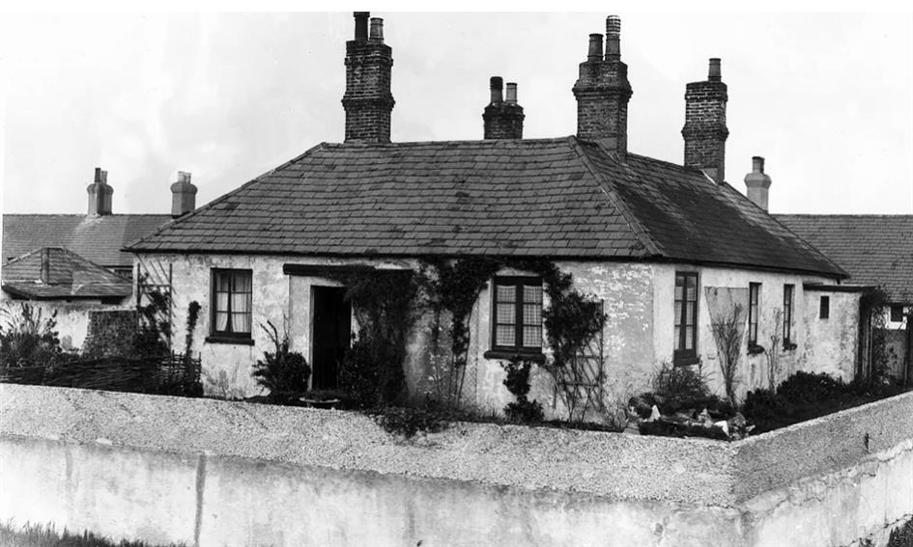
Emma Flint’s 2016 debut,Little Deaths Little Deaths, was a fictionalisation of the trial of Alice Crimmins, an American waitress whose children went missing from her apartment in Queens, New York, in 1965 and were later found dead. Other Women (Picador) takes another tale of a true crime and reimagines it into a novel – this time, the murder of Emily Beilby Kaye by her married lover, Herbert Patrick Mahon, in south-east England in April 1924. In Flint’s moving, gripping retelling, Kaye becomes Beatrice Cade, a 37-year-old typist working in London after the first world war, holding tight to her small scrap of life and independence. When salesman Thomas Ryan directs his attention at her, she falls hard for him.
Flint’s telling moves between Bea’s growing feelings for Ryan and the discoveries of Ryan’s wife, Kate, after Bea’s murder, as the story twists its way towards Ryan’s trial. The case “was huge in England at the time: it was a milestone in the development of forensic science”, Flint tells us in an afterword. “No crime has ever moved the nation like the death of Miss Beatrice Cade on the lonely stretch of shore near Eastbourne,” blares her fictional newspaper. Flint brings the trial to nail-biting, horrifying life: will Ryan, handsome and accomplished, get away with killing a woman who everyone agrees was nothing special – “so ordinary. She was the kind of woman you fail to notice on the omnibus every single day”?Other Women is also memorable for how Flint highlights the desperate situation so many women were in after the first world war – single or widowed, searching for work they couldn’t find, a destitute future ahead of them. “Misses without youth, middle-aged without wedding rings… Bea was one of these other women.”
...As ever with Harper, the facts begin to lock together with supremely satisfying effect
...
I have loved every thriller Australian authorJane Harper has written, and Exiles (Macmillan) is no exception. Her federal investigator Aaron Falk, previously of The Dry and Force of Nature, is in the fictional Marralee in south Australia a year after the mysterious disappearance of young mother Kim Gillespie. Kim had been at the town’s annual festival with her baby when she disappeared, leaving the child alone in the pram. She has never been found and her family are launching a fresh appeal on the anniversary of her disappearance. Falk, in town for a christening that was cancelled after Kim disappeared, begins looking into her case. As ever with Harper, the facts begin to lock together with supremely satisfying effect, as Falk gets closer to the truth of what happened to Kim. The Lost Man, set in the vast, scorched outback of Queensland, remains my favourite of her thrillers, but Exiles is a close second.
Kate Hamer’s first novel,The Girl in the Red Coat, about how eight-year-old Carmel is abducted by an American preacher, was shortlisted for the Costa first novel award in 2015. Her follow-up, The Lost Girls (Faber) is set eight years after Carmel’s rescue. “I was one of the lucky ones; I got unlost and returned like a parcel that spent five long years at the wrong address.” She is now 21 and living with her mother, Beth, in London. But all is not well: she may no longer be “a kidnapped kid living in the back of the truck”, but Carmel can’t stop thinking about other lost girls. She sees them as she mudlarks on the shores of the Thames, she meets them as she wanders the streets and she starts to dig into the mystery of what happened to Mercy Roberts, a vanished girl whose name Carmel was forced to use by the preacher, but whose reality “still sometimes drifted through people’s thoughts like a trail of smoke from a bonfire”.
The Lost Girlsdoes not have the urgency of The Girl in the Red Coat, but it is just as redolent with fairytales and darkness, as Beth tries her hardest to avoid asking the question that “would break our fragile lives into pieces… What happens when a person goes away and when they come back, they are not the same person at all?”
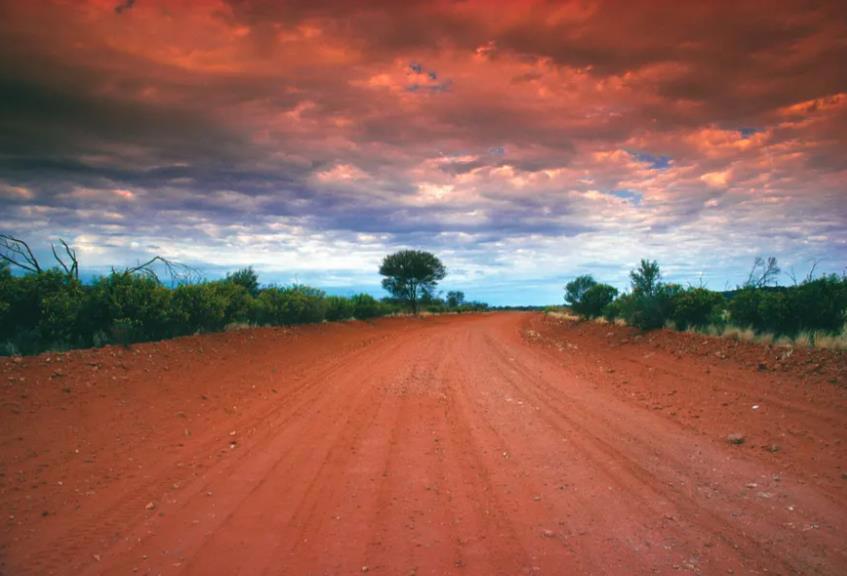
Back to Australia for our final thriller this month. SR White’sRed Dirt Road (Headline) sends detective Dana Russo out to Unamurra, an isolated town deep in the outback (my favourite kind of setting), where two men have been murdered, their bodies displayed in a disturbing manner, “strung up… on a metal frame”. A previous investigation has failed and Russo struggles to make headway with the suspicious, reticent locals – only 50 or so of them, in a town located in the middle of an “empty region the size of Belgium”. “No weapon, no motive, no alibis, no witnesses and enough time for the murderer to go off anywhere in the world. Not good, is it?” White builds towards a dark and inventive finale, as Russo homes in on her murderer, displaying Hercule Poirot-ish levels of deduction at the last as she embarks on a (somewhat too) lengthy j’accuse.
To order any of these books for a special price click on the titles or go to guardianbookshop.com. Delivery charges may apply
You've read10 articles in the last year
… we have a small favour to ask. Tens of millions have placed their trust in the Guardian’s fearless journalism since we started publishing 200 years ago, turning to us in moments of crisis, uncertainty, solidarity and hope. More than 1.5 million supporters, from 180 countries, now power us financially – keeping us open to all, and fiercely independent.Will you make a difference and support us too?
Unlike many others, the Guardian has no shareholders and no billionaire owner. Just the determination and passion to deliver high-impact global reporting, always free from commercial or political influence. Reporting like this is vital for democracy, for fairness and to demand better from the powerful.
And we provide all this for free, for everyone to read. We do this because we believe in information equality. Greater numbers of people can keep track of the global events shaping our world, understand their impact on people and communities, and become inspired to take meaningful action. Millions can benefit from open access to quality, truthful news, regardless of their ability to pay for it.
Whether you give a little or a lot, your funding will power our reporting for the years to come. If you can, please support us on a monthly basis from just €2. It takes less than a minute to set up, and you can rest assured that you’re making a big impact every single month in support of open, independent journalism. Thank you.
Comments:
You must authorize to comment:





 Europe
 1924, Eastbourne, UK

 Add comment
 Edit
Edit Remove
 Like!
Like! Dislike


